
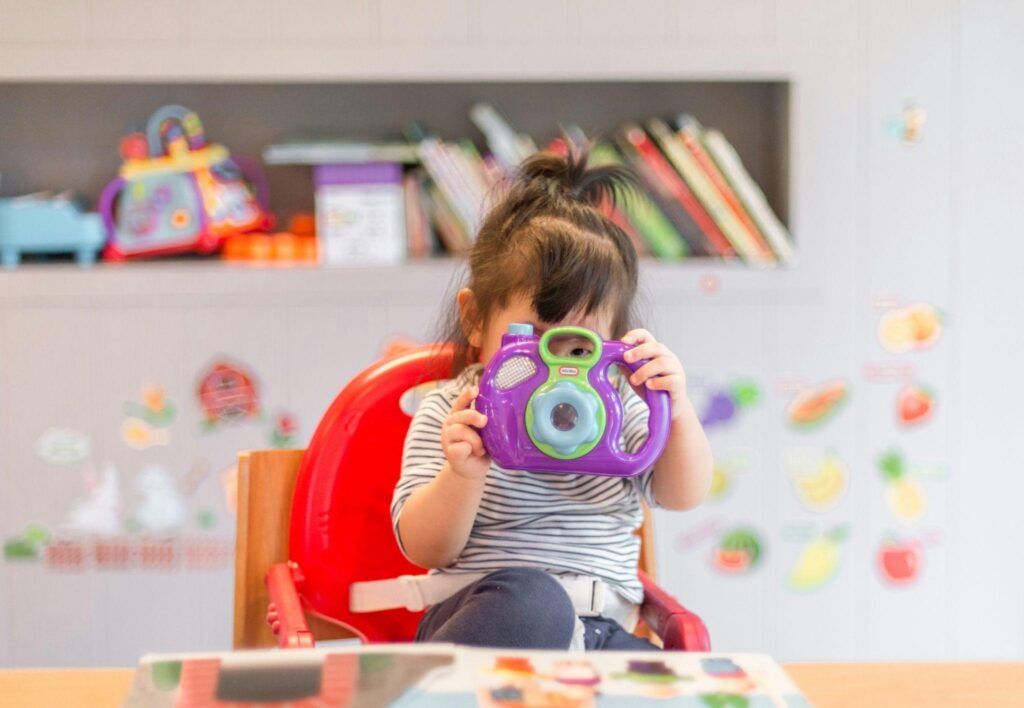
Since the toddler years have a greater impact on the brain, personality, and love of learning than practically any other period, what occurs between the ages of one and three lays the groundwork for everything that comes after. These early months are much more than just adorable mayhem. Programs like Kids’ Work Chicago Riverview’s toddler program concentrate on this critical time since the relationships and habits created now influence a child for years to come.
A Brain Growing at Lightning Speed
The speed at which a toddler’s brain develops is unmatched. The brain creates millions of new connections every second during these years, connecting the circuits that sustain thought, movement, and emotion throughout life. Every encounter, sound, and sight becomes a building block. Because of this rapid growth, early experiences are so important because it is extremely difficult to recreate the foundations established now. Knowing that tempo alters your perspective on even the most mundane everyday moments.
Flashcards are not necessary to support this development. A walk, a conversation, or a song are everyday experiences that provide the developing brain with richer nourishment than any device could.
The Roots of Language
At this age, language develops remarkably quickly. In a relatively short period of time, a youngster goes from a few words to hundreds, and then to short phrases. Every tale, song, and discussion fosters this development by expanding vocabulary and boosting communication confidence. Talking to young children, labeling their surroundings, and reading aloud to them all sow the seeds for future learning. A child’s foundation gets stronger the more words they hear.
It really helps to respond to babble as if it were a conversation. A child learns that words have significance and are valuable through this back-and-forth.
Learning Through Play
A toddler views play as important work. Young children test concepts and make sense of the world by pretending to cook, pouring water, and stacking blocks. Long before any official instruction, they learn cause and effect, creativity, and problem-solving through play. Play is the real curriculum of early infancy, yet adults sometimes undervalue this. One of the best presents you can give children is time, space, and basic things to explore.
Occasionally participating enhances the value. You may gradually broaden a young child’s thinking and demonstrate that their ideas matter by following them while they play.
Building Social and Emotional Skills
Children learn how to interact with people in their early years. For someone so young, sharing, waiting, consoling a buddy, and managing strong emotions are all very important lessons. Tantrums are normal rather than a sign of failure since toddlers have strong emotions and are just starting to learn how to control them. They develop empathy and self-control with kind, careful coaching. Friendships and resilience are shaped by these social and emotional foundations for the remainder of their lives.
Toddlers get the language they lack when their emotions are named aloud. A youngster might learn to comprehend and control a storm of emotion by being told that you seem frustrated.
Independence Begins Here
You can observe development in action when you observe a youngster who is adamant about doing it themself. Self-confidence develops from the desire to dress, eat, and explore on one’s own, no matter how messy. A toddler can develop a can-do attitude later on by learning from every little accomplishment that they are competent. Rather than trying to handle everything for them, it is much more beneficial to encourage safe independence. Such early bids for autonomy deserve patience and quiet celebration.
Why the Right Environment Matters
The environments a toddler spends time in really matter because of how much is going on. Whether at home or in high-quality care, a rich, responsive environment provides warm relationships, safety, and excitement in equal measure. Adults who are dependable and kind give children the confidence to explore and discover. For this reason, the toddler stage is highly valued in thoughtful early programs. The correct environment transforms ordinary moments into significant opportunities for development.
Reassurance and routine are just as important as toys, if not more so.
Making the Most of These Years
Although this phase goes so quickly, its influence endures forever. You may help your child develop the fundamentals of who they will become by talking, reading, playing, and setting reasonable boundaries. Warmth, care, and time are all that are needed; flashy toys and a busy schedule are not. Treasure the chaos because it contains a wealth of important lessons. One of the best things a parent can do is to invest in these formative years, both at home and in the appropriate environment.