
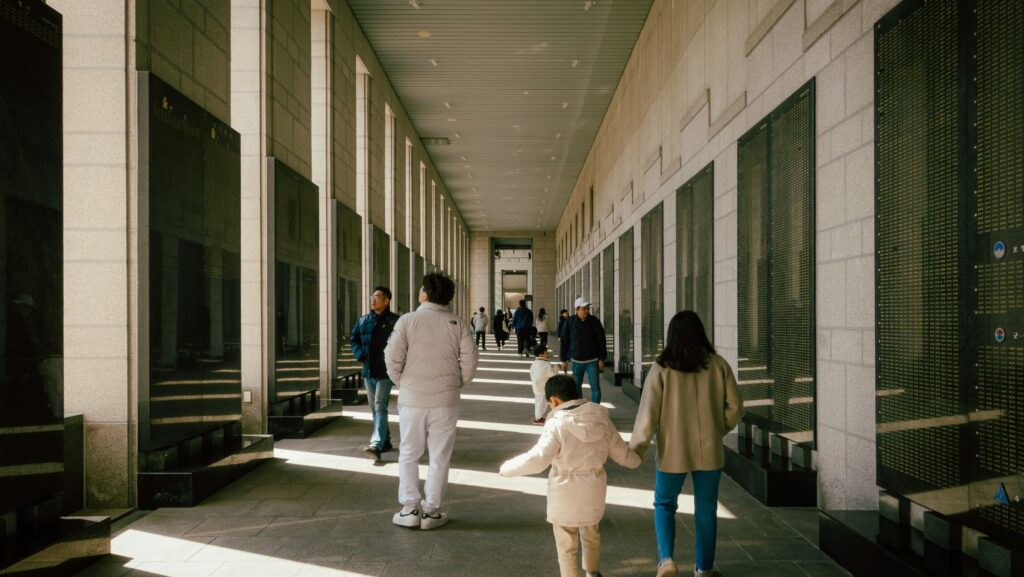
Traveling to Seoul can feel like stepping into a dazzling mix of modern skyscrapers, centuries-old palaces, and vibrant street markets. For families, the city offers endless attractions, from interactive museums and scenic parks to lively shopping streets. While Seoul might seem expensive at first glance, traveling on a budget is entirely possible with careful planning and smart strategies. Here’s a comprehensive guide to enjoying a family adventure in Seoul without breaking the bank.
Affordable Accommodation Options
Accommodation can quickly become the largest expense during family trips. In Seoul, families can find budget-friendly lodging that balances comfort and convenience. One popular option is guesthouses or hostels with family rooms, which often provide shared or private facilities at a fraction of hotel prices. Areas like Hongdae and Insadong are excellent choices—they’re centrally located, offering easy access to attractions while keeping costs low. Many families also look for Seoul family hotels, which are specifically designed to cater to children with extra space, kid-friendly amenities, and sometimes even play areas.
Another cost-effective alternative is renting apartments through short-term rental platforms. These apartments often have kitchen facilities, allowing families to cook meals and save on dining expenses. Many also offer extra space, which is ideal for families traveling with children.
For families seeking a mix of convenience and affordability, business hotels in Seoul often offer family rooms at reasonable rates. These hotels are typically smaller than luxury hotels but provide essential amenities and are centrally located near public transport.
Smart Transportation Tips
Seoul’s transportation system is world-class and surprisingly budget-friendly. The subway network is extensive, safe, and easy to navigate. Families can purchase T-money cards, rechargeable transportation cards that work on subways, buses, and even taxis. Children under six often travel for free, and discounts are available for older children, making public transport an economical choice.
For families with strollers or young children, buses are another affordable option, providing a more scenic route through the city. Additionally, taxis in Seoul are reasonably priced compared to other major cities, but for budget-conscious families, using them only when necessary is a smart choice.
If your family plans to explore beyond the city, consider the KTX high-speed trains, which offer occasional discounted fares for early bookings. Planning trips to nearby cities like Incheon or Suwon using trains or buses can enrich your itinerary without straining your budget.
Free and Low-Cost Attractions
Seoul is full of attractions that won’t cost a dime or will only require a modest fee. The city’s historic palaces, such as Gyeongbokgung Palace and Changdeokgung Palace, offer discounted rates for children, and many allow free entry on certain days of the month. Exploring these grand palaces provides a fun and educational experience for kids, offering costume rentals, traditional performances, and palace gardens to wander.
For families who love nature and outdoor activities, Namsan Seoul Tower and Bukhansan National Park are must-visit spots. Hiking trails and scenic viewpoints are free and provide breathtaking views of the city. Picnic-friendly areas in parks like Hangang Park along the Han River are perfect for a budget-friendly family lunch.
Museums like the National Folk Museum of Korea and the Children’s Museum at the National Museum of Korea are free or low-cost and are great for children to learn about Korean culture interactively. Seoul Forest is another fantastic free destination where families can enjoy walking paths, deer enclosures, and art installations.
Budget-Friendly Food Options

One of the joys of visiting Seoul is its diverse and delicious food scene. Street food is not only a cultural experience but also extremely affordable. Areas like Myeongdong, Gwangjang Market, and Namdaemun Market are bustling with food stalls offering everything from tteokbokki (spicy rice cakes) to hotteok (sweet pancakes), perfect for a quick family snack.
For families who prefer sit-down meals, Korean barbecue restaurants with lunch specials provide filling meals at reasonable prices. Many restaurants also offer set menus designed for children. Convenience stores in Korea are surprisingly handy for budget meals, with ready-to-eat sandwiches, kimbap (Korean sushi rolls), and drinks that are child-friendly and inexpensive.
Cooking meals in your accommodation can also save money. Visiting local markets like Mangwon Market or Noryangjin Fish Market allows families to buy fresh ingredients and experience local life firsthand.
Practical Money-Saving Tips
- Plan your itinerary in advance: Prioritize attractions that are free or have discounted family rates. Booking tickets online in advance can sometimes save a few dollars.
- Use apps for deals: Korean apps like KakaoMap or Naver Maps help you navigate public transport and locate affordable restaurants. Trazy and Klook often offer family discounts for attractions and activities.
- Travel during off-peak seasons: Spring (April–June) and autumn (September–November) offer pleasant weather and lower accommodation costs.
- Combine sightseeing with cultural experiences: Many neighborhoods have free walking tours, street performances, or traditional festivals, giving families a rich cultural experience without extra cost.
Cultural Tips for Families
When traveling with children in Seoul, teaching them basic cultural etiquette enhances the experience. Bowing slightly when greeting, removing shoes before entering certain traditional homes or temples, and using polite language will enrich interactions and respect local customs. Many museums and attractions provide English guides and family-friendly activities, making it easier for kids to engage.
Additionally, shopping in Seoul doesn’t have to be expensive. Street markets like Dongdaemun Night Market or Insadong’s craft shops offer affordable souvenirs and unique items. Bargaining is sometimes accepted, so families can practice negotiation skills while keeping costs low.
Conclusion
Seoul is a city where modern life and tradition coexist beautifully, offering families countless opportunities to explore, learn, and have fun. Traveling on a budget doesn’t mean compromising the experience; it simply requires smart planning, prioritizing free or low-cost attractions, and taking advantage of public transportation and affordable dining options. By staying in budget-friendly accommodations, enjoying street food, and exploring parks and museums, families can create lasting memories in Seoul without overspending.
With a bit of preparation and creativity, your family adventure in Seoul can be both exciting and wallet-friendly, proving that discovering a new city doesn’t have to come with a hefty price tag.