
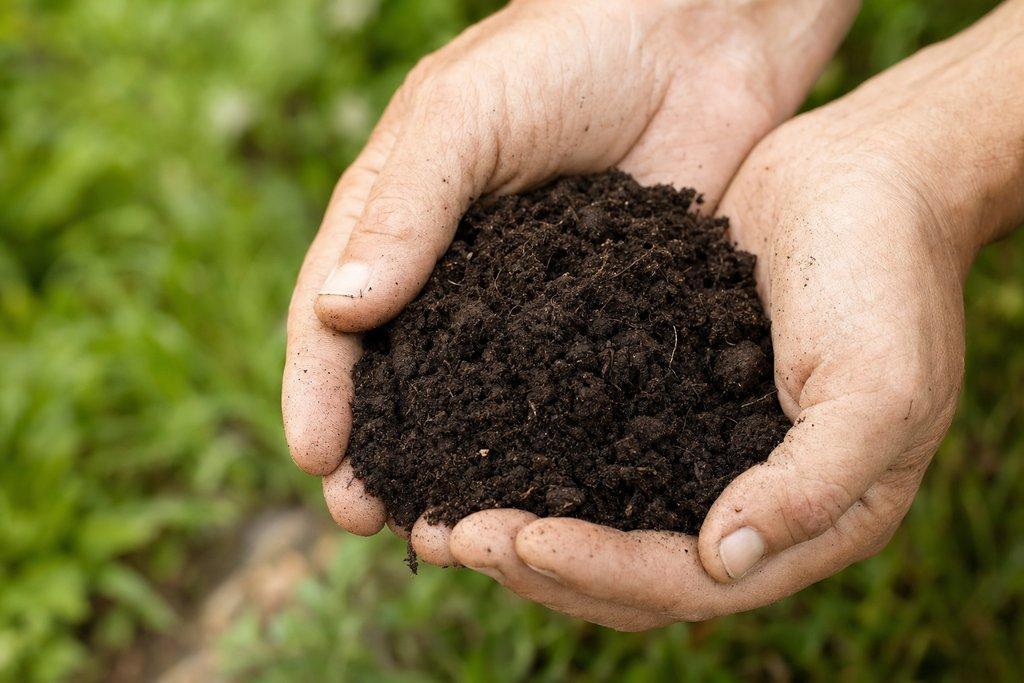
Finished compost and garden soil
It’s dark, smells like earth (not sour or sharp), and has a nice crumbly texture. This compost is ready to use!
What’s the big deal? Finished compost can be used as a soil amendment to add nutrients slowly over time, improve soil structure, and help stressed-out garden beds bounce back after a rough patch (think poor weather, depleted nutrients, or compacted soil).
What Finished Compost Changes in Healthy Soil
Compost isn’t a substitute for fertilizer, and it won’t provide the same nutrient-fueled growth spurt as the synthetic, high-analysis fertilizers described at https://ourworldindata.org/fertilizers. But when added to garden beds, potted plants, new plantings, etc., compost will improve plant health over time by improving the overall environment for roots to grow in, making it easier for plants to withstand stress.
Compost can also help sandy soils hold on to water and nutrients (preventing them from washing right through), and can help break up compacted clay soils, allowing for better drainage (no more soggy feet!) and easier root penetration. Plus, soil organisms munch away on compost, breaking it down and converting it into plant-available nutrients.
Check Compost Before Applying It
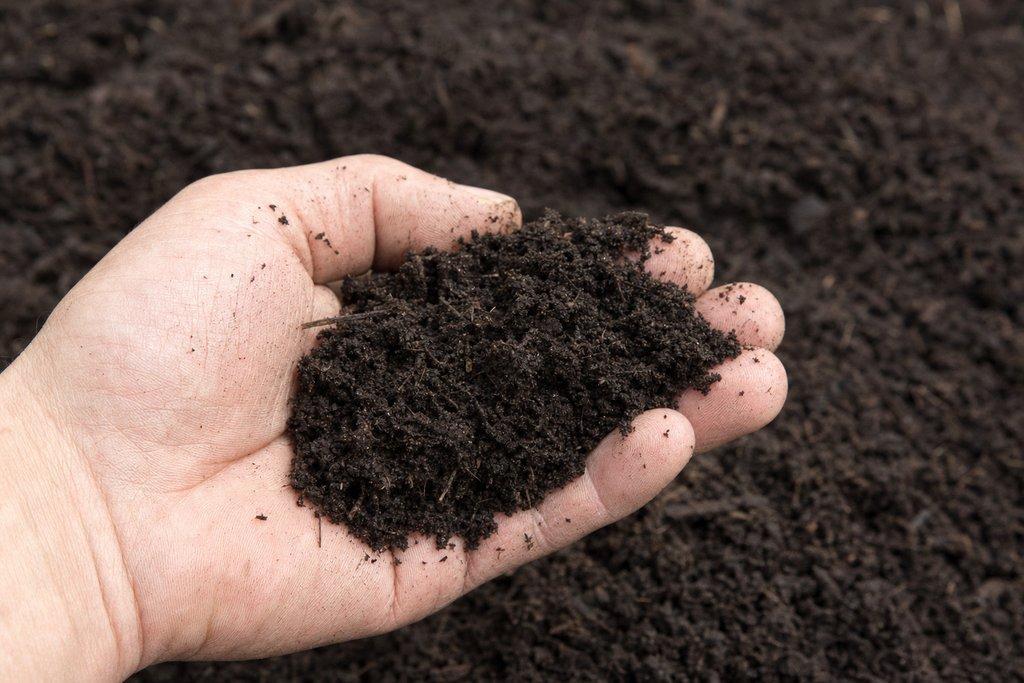
Dark finished compost
When your compost is ready to use it will:
You may still see bits and pieces of leaves, twigs, etc. If the center of the compost pile or bag is still warm, the material is still breaking down, so give it a little more time before adding it to seedlings or mixing it into the soil.
Apply the Right Amount at the Right Time
One to two inches on top of existing beds (either rake in for empty beds or leave on top for planted beds, as rain, earthworms, etc. will work it down) is usually plenty. A measured layer of Mulch Mound’s rich finished compost suits that application. Too much compost can actually rob soil of proper drainage and can provide more nutrients than some plants need.
And remember: keep compost (and mulch) 2 inches or more away from tree and shrub crowns, trunks, and other woody stems. Mulch can hold moisture against bark, which can promote rot and pests.
Add Compost During Active Garden Transitions
It’s a good idea to top-dress veggie gardens with compost in the spring (prior to planting), and after the growing season is over (this replaces some of the organic matter that’s been depleted). Compost can also be worked into perennial and shrub borders in the spring or fall, just be careful not to smother the crown (where stems and roots meet). You can also add a light layer of compost to refresh borders before you add a layer of mulch.
Use sparingly in containers, as too much compost can make the soil too heavy and rob air from container plants’ roots.
Skip Compost When the Bed Is Already Rich
If your soil is already crumbly, full of organic matter, and a soil test indicates it’s nutrient-rich, you can skip adding compost. Over-amending your soil can create imbalances and do more harm than help, especially in areas where plants aren’t doing well for reasons other than lack of nutrients (poor drainage, too little light, root damage, etc.)
Compost won’t significantly change pH. However, the organic matter in compost will help buffer pH so that it won’t swing too acidic or too alkaline.
If your blueberries and azaleas are unhappy, resist the urge to add more compost until you test your soil.
Compost can help with nutrient cycling. However, compost isn’t going to solve problems such as excessive phosphorus, poor drainage, or inappropriate plant choices. Soil amendments such as lime or sulfur may be necessary to adjust pH, based on soil test recommendations.
On bare spots or when seeding a new lawn, work compost into the top few inches of soil instead of applying it as a top dressing.
Rake the area smooth and level after incorporating the compost so that the grass seed is in contact with the soil, which encourages even root development.
Avoid Common Mistakes and Test One Bed
- Using compost that isn’t fully broken down. Decomposing plant matter can rob nitrogen from the soil and produce extra heat, neither of which is kind to plants.
- Piling compost in mounds against stems or structures, so keep it spread out and allow rain to soak in. If you’re adding wood mulch, always add compost first and mulch on top.
- Leaving compost out in the rain, since nutrients can leach away. Keep any unused compost under cover, but in a breathable area.
Start with One Garden Bed
Instead of trying to compost-amend your whole garden in one swoop, try it out on one bed and see how it goes. Check in after a few weeks to see if the soil has retained more moisture, is more crumbly, has more earthy-smelling goodness, if your plants are growing better, etc. Before you add compost to other beds, give your compost another sniff and make sure it’s crumbly, not wet, and still smells like earth.